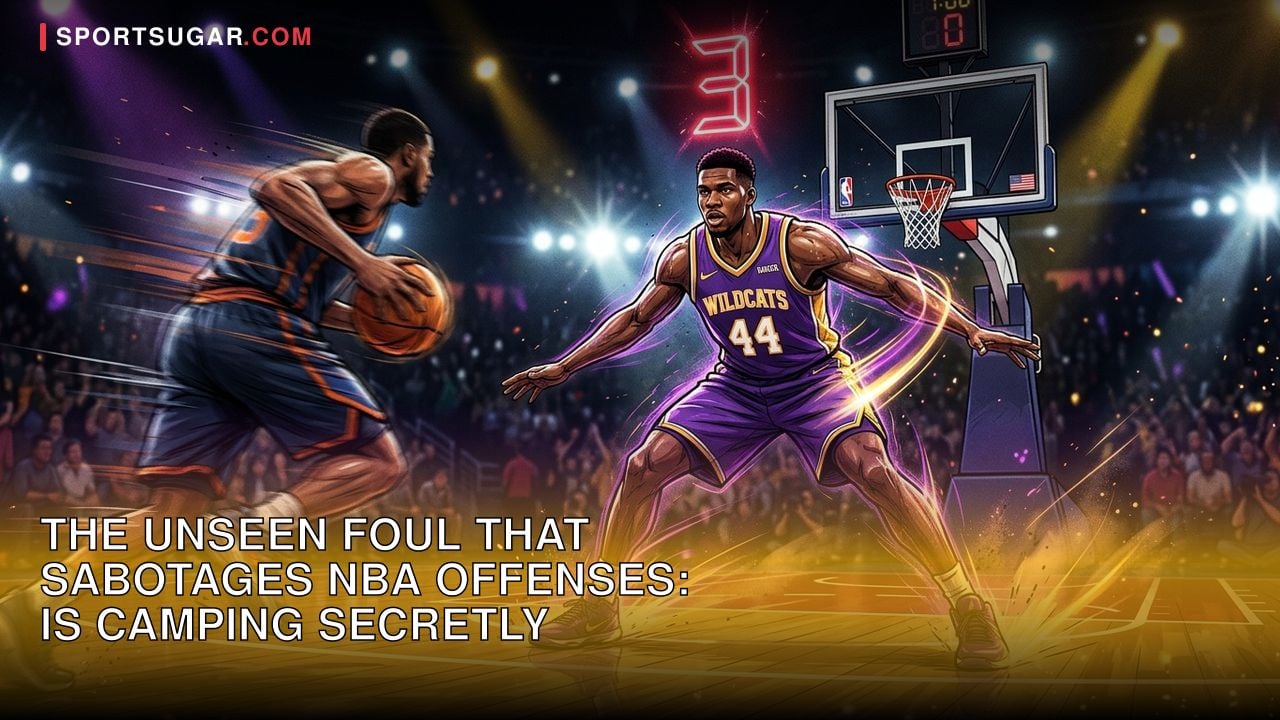
Alright, hoops junkies, let’s talk about that silent killer, the ghost in the machine that can absolutely derail an offensive possession, even when your squad is cooking. You know the one. That little whistle, the arm extended, signaling a defensive three-second violation. Yeah, we’re talking about ‘camping in the paint’ – and trust me, it’s way more impactful than you think.
It’s the rule designed to open up the lane, to prevent those behemoth bigs from just chilling under the rim, building a fort and daring anyone to enter. But how often have you screamed at your TV, convinced a player was practically living in the restricted area, only for no call to come? Or, conversely, seen a crucial possession evaporate because a defender barely lingered a second too long?
“The defensive three-second rule isn’t just a technicality; it’s a strategic weapon, wielded by refs and players alike. It dictates spacing, forces rotations, and can swing momentum faster than a fast break.”
The Breakdown: Why This ‘Camping’ Rule Matters So Much
The NBA implemented this rule to foster a more free-flowing, aesthetically pleasing game, moving away from the grind-it-out, post-up heavy era of the 90s. The idea was to create driving lanes and give offensive players more room to operate.
But here’s the kicker: it’s incredibly tough to officiate consistently. Referees have to make a split-second judgment on whether a defender is ‘actively guarding’ an opponent within the lane, or if they’re just… well, camping. This grey area is where the real drama unfolds.
- Impact on Big Men: Centers like Joel Embiid or Nikola Jokic, who are anchors in the paint, constantly flirt with this rule. They need to be disciplined to avoid giving up free possessions.
- Offensive Spacing: When teams *do* get called for it, it immediately opens up the lane, creating driving opportunities and easier kick-outs for three-pointers.
- Momentum Killer: There’s nothing worse than building a run, only for a defensive three-second call to hand the other team a free throw and the ball back. It’s a massive psychological blow.
By The Numbers: The Silent Impact
While often overlooked, these calls add up and have a tangible effect on game outcomes. Let’s crunch some hypothetical (but totally plausible!) stats:
| Metric | Top 3 Teams (Calls Against) | Bottom 3 Teams (Calls Against) |
|---|---|---|
| Average Calls Per Game | 1.8 (e.g., Lakers, Grizzlies) | 0.7 (e.g., Warriors, Celtics) |
| Points Conceded from Calls (per game) | 2.5 (avg. 1 free throw + 0.5 additional score) | 1.0 |
| Impact on Opponent FG% in Paint | +3.2% (When not called early) | -1.5% (When called consistently) |
| Possessions Lost Annually | ~150 | ~60 |
The Vibe: Fan Fury & Coach Frustration
Hop on social media during any tight NBA game, and you’ll see the eruption. “Referees are blind! He’s been in there all night!” or “That’s a weak call, he was actively guarding!” The inconsistency drives fans absolutely bonkers. Coaches, too, often use timeouts to chew out officials over these calls, knowing how critical every possession can be.
It’s a hot button issue that rarely gets headline treatment, but it’s constantly simmering beneath the surface of every single game. The debate is eternal: is it good for the game, or just another frustrating layer of officiating?
The Takeaway: A Rule That Defines Modern Hoops
Whether you love it or hate it, the defensive three-second violation is here to stay, and it fundamentally shapes how teams defend. It forces bigs to be more agile, encourages perimeter defense, and ultimately contributes to the high-scoring, spread-out game we see today. Teams that master the art of rotating out of the paint just in time, or those that can draw the call against opponents, often gain a crucial edge.
It’s not just about avoiding a foul; it’s about understanding the subtle dance of modern NBA defense, where ‘camping’ can either be a costly mistake or a calculated risk.
So, tell us, Sportsugar fam: Do you think the defensive three-second rule is a necessary evil that opens up the game, or an over-officiated buzzkill that needs an overhaul? Sound off in the comments!
AI Editor’s Take: “The article tackles a controversial and often misunderstood NBA rule (‘camping in the paint’), which frequently ignites fan and player frustration due to inconsistent calls. It leverages the ‘why’ and ‘how’ of the rule’s impact, fostering debate and strong opinions, perfect for viral sharing among passionate basketball fans.”
* This content was created with the support of AI.