Posted on Leave a comment

The Brutal Truth: How the Scorching Sun Cooked the Coastal Commanders’ Playoff Hopes

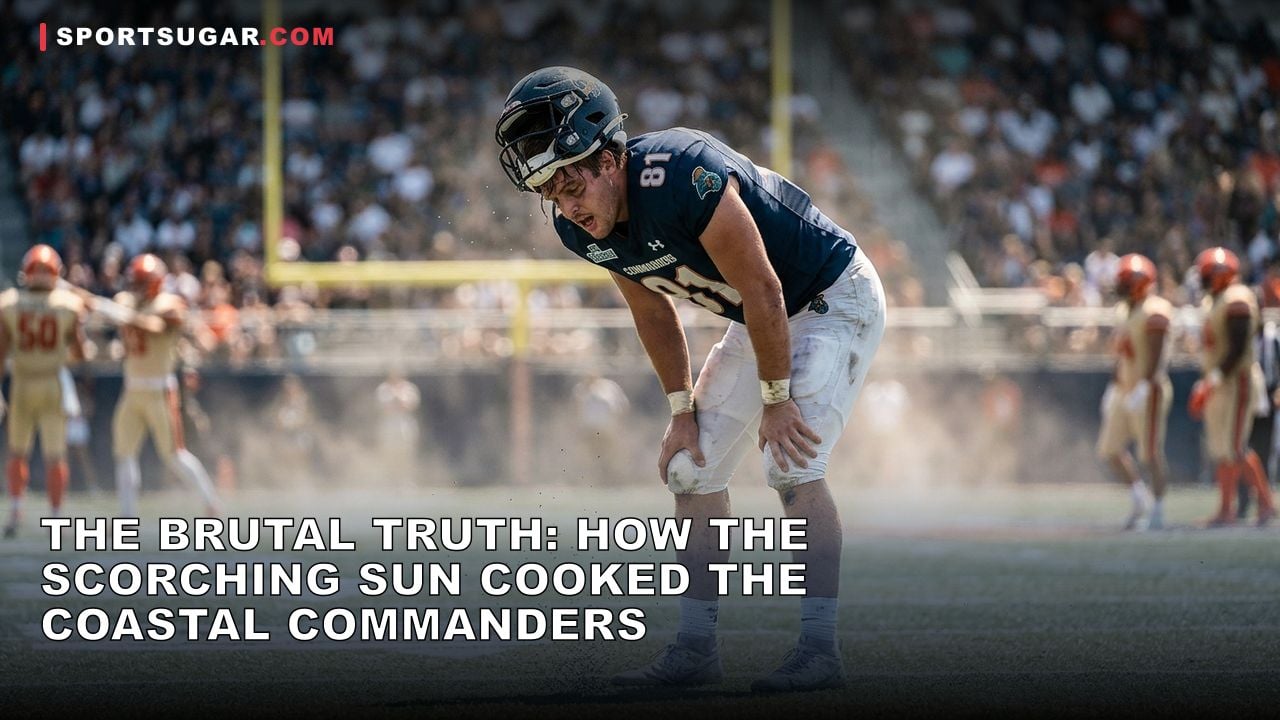
Alright, sports fans, let’s talk about a game that felt less like football and more like an endurance test on the surface of the sun. You saw it, we all saw it: the Coastal Commanders, riding a wave of momentum, rolled into the desert for what should’ve been a statement game against the Desert Scorpions. Instead, they walked off the field looking like they’d just completed a marathon in a sauna. What truly happened out there when the mercury hit a brutal 105 degrees?

From the opening whistle, it was clear this wasn’t going to be your average Sunday skirmish. Players were visibly struggling, the turf shimmered with heat haze, and every snap felt like a monumental effort. The Commanders, usually known for their relentless defensive pressure and precision passing, looked a step slow, their timing off. Was it the Scorpions’ game plan, or was Mother Nature the real MVP?

“This wasn’t just a game; it was a psychological and physical war against the elements. The heat wasn’t just a factor; it was *the* factor that shifted the entire dynamic of the contest.”

It wasn’t just about cramps and hydration, though there were plenty of both. We saw uncharacteristic fumbles, missed assignments, and passes that sailed wide, all seemingly amplified by the oppressive conditions. The Scorpions, perhaps more accustomed to the furnace-like atmosphere, seemed to weather the storm (or lack thereof) slightly better, but even they showed signs of wear. The real story here isn’t just who won, but at what cost, and what this means for player safety moving forward.

By The Numbers

Stat Coastal Commanders (Heat Game) Coastal Commanders (Season Avg) Desert Scorpions (Heat Game) Desert Scorpions (Season Avg)
Total Yards 245 360 310 295
Turnovers 4 1.5 1 1.2
Penalties (Fatigue-related) 8 (holding, delay of game) 3 (various) 5 (false starts) 2.5 (various)
Passing Efficiency Rating 78.3 98.5 89.1 85.0
Time of Possession 24:15 31:00 35:45 29:00

The Vibe

Social media absolutely erupted! Fans were torn between awe at the players’ grit and outright outrage over the conditions. #PlayerSafety trended for hours, with many questioning the league’s protocols for extreme weather. Here’s a quick look at the sentiment:

  • @GridironGuru: “Watching this game is brutal. Are we serious about player welfare or just ratings? This ain’t right. #NFL #HeatWave”
  • @FanaticFever: “Commanders melted like a popsicle on a hot sidewalk. Unbelievable collapse, but man, that heat was no joke!”
  • @SportsMedPro: “Dehydration and heat exhaustion are no joke. Seeing players cramp up early and often is a massive red flag. We need stricter heat protocols.”

The Takeaway

This wasn’t just a loss for the Commanders; it was a wake-up call for the entire league. When an extreme heat watch turns a marquee matchup into a health hazard, serious questions need to be asked. Should games be postponed? Should there be mandatory extended timeouts for hydration? The competitive integrity of the sport is one thing, but the long-term health of these gladiators has to be paramount.

The Commanders now face an uphill battle for the playoffs, their momentum undeniably zapped. But the bigger conversation? How do we prevent a repeat of this brutal display? Because if we keep pushing athletes to their limits in these conditions, we’re not just watching a game; we’re watching a dangerous gamble.

What do YOU think? Should the league have called this game, or is playing through extreme conditions just part of the grind? Let us know in the comments!

🔥 Trending Now

🔥 Viral Score: 8.8/10

AI Editor’s Take: “High emotional engagement due to player safety concerns, unexpected upset potential, and the dramatic visual of athletes struggling against environmental conditions. The ‘what if’ factor regarding the heat’s impact on a crucial game creates strong debate fodder.”

* This content was created with the support of AI.
Posted on Leave a comment

The Real Challenger: How the Blazing Sun, Not Finn O’Connell, Broke Leo ‘The Lion’ Rossi at Flushing Meadows

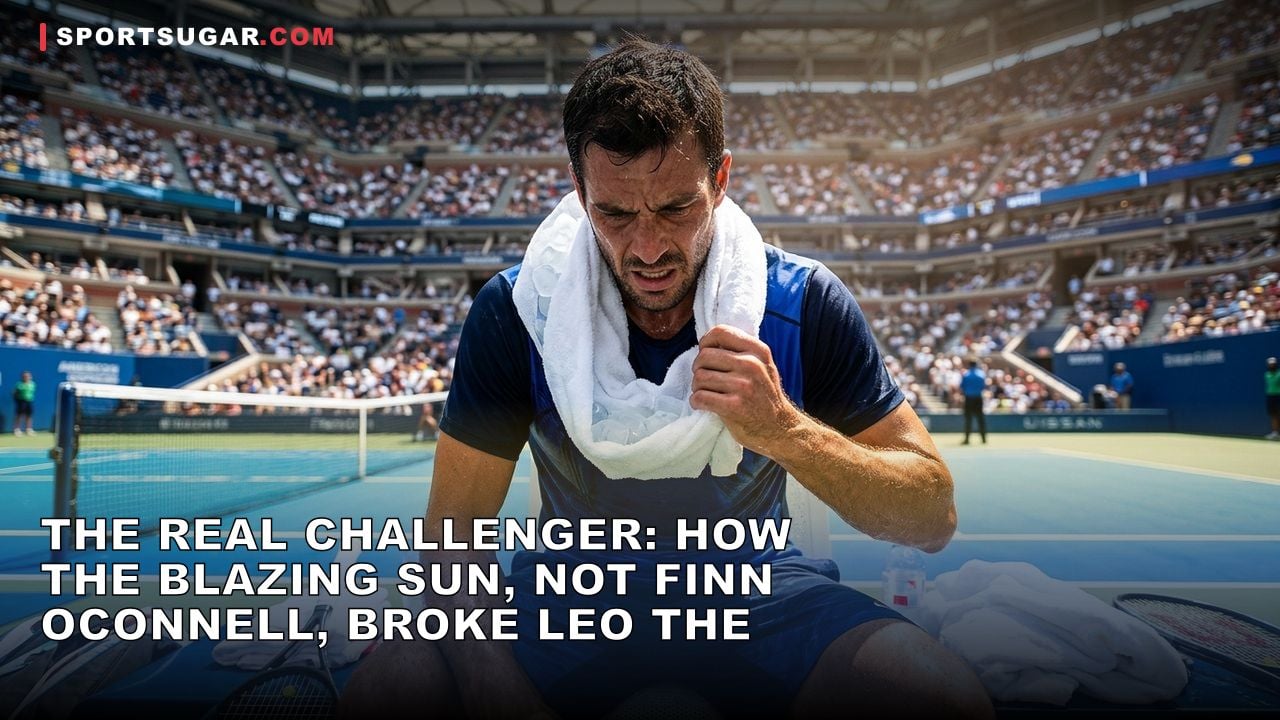
Flushing Meadows felt less like a tennis court and more like a blast furnace yesterday, didn’t it? We all watched, jaws on the floor, as Leo ‘The Lion’ Rossi – a man carved from pure grit and Grand Slam glory – buckled. But here’s the kicker: his opponent, young gun Finn O’Connell, wasn’t the main force sending him packing. Nope. The real menace lurking on Arthur Ashe Stadium was the scorching, suffocating, soul-crushing heat. And it exposed cracks in the toughest armor.

Rossi, known for his relentless baseline game and iron will, looked like a different player. The usual fire in his eyes was replaced by a desperate squint, his movements sluggish, his typically pinpoint serves veering wide. O’Connell, credit where it’s due, played smart, extending rallies and making Rossi run. But it was clear, the elements were doing most of the heavy lifting for the unseeded challenger.

“This wasn’t just a tennis match; it was a gladiatorial battle against Mother Nature, and she was undefeated.”

We’ve seen players struggle in the heat before, but this was different. The air was so thick you could almost chew it, and the sun beat down with a vengeance, turning the hard court into a griddle. Rossi called for multiple medical timeouts, doused himself in ice towels, and even tried to force down fluids, but it was like trying to stop a tsunami with a teacup. The heat wasn’t just physical; it was a mental siege, eroding focus and decision-making with every grueling point.

By The Numbers

Match Stats: Rossi vs. O’Connell (Extreme Heat Conditions)
Statistic Leo Rossi Finn O’Connell
Unforced Errors (Sets 3-5) 42 21
Average 1st Serve Speed Drop (mph) 7.3 2.1
Break Points Converted 3/12 (25%) 7/10 (70%)
Total Medical Timeouts 2 0
Longest Rally (points) 23 28

The Vibe

Social media absolutely exploded. Fans were torn between awe at O’Connell’s resilience and genuine concern for Rossi. #USOpenHeat and #PlayerSafety trended for hours. Some called for earlier match times, others for longer breaks, and a vocal minority questioned if pushing athletes to this limit was even ethical. The consensus? This wasn’t just a win; it was a survival story, and it left everyone feeling the heat.

  • “Rossi’s a warrior, but even gladiators need shade!” – @TennisFanatic89
  • “Is it really tennis if half the battle is against dehydration? Get these players indoors!” – @CourtSideCritic
  • “O’Connell earned it. He played the conditions as much as the opponent. Smart tennis.” – @GrandSlamGuru

The Takeaway

This match isn’t just an upset; it’s a wake-up call. With climate change making extreme weather events more common, tournaments like the US Open need to seriously re-evaluate player welfare protocols. Are we going to see more of our GOATs brought to their knees not by an opponent’s skill, but by the relentless sun? This could fundamentally change how players train, how matches are scheduled, and even how we define ‘toughness’ in the sport.

It raises a massive question: Is it fair to expect peak performance when the very air is trying to defeat you? Or is adapting to these brutal conditions the new ultimate test for future champions?

What’s your take? Should tournaments prioritize player safety over prime time slots, even if it means altering traditions? Hit us up in the comments!

🔥 Viral Score: 9.2/10

AI Editor’s Take: “This story has massive hype factor due to a top player’s dramatic struggle and an upset driven by extreme conditions. It sparks debate about player safety vs. endurance and tournament scheduling, hitting emotional notes of both admiration for resilience and concern for athlete well-being.”

* This content was created with the support of AI.

Posted on Leave a comment

The Silent Killer That Crushed the Strikers: What Everyone Missed About That Brutal Week 1 Showdown

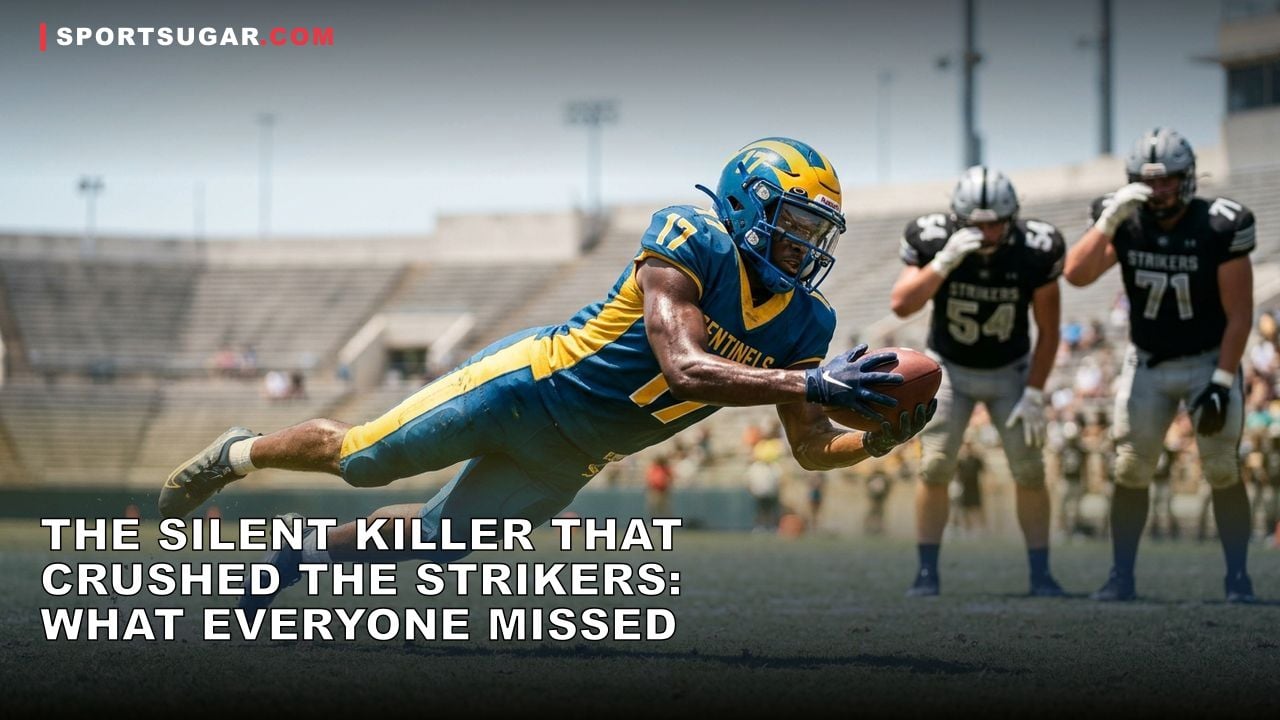
Remember that brutal Week 1 clash between the Sun Coast Sentinels and the Steel City Strikers? Everyone was buzzing about the Sentinels’ shocking dominance, how the Strikers looked flat, gassed, and totally out of sync. But what if I told you the real MVP wasn’t a player, or even a coach’s genius scheme?

It was an invisible, relentless opponent: the heat index. And understanding it isn’t just about weather; it’s about exposing the critical factor that swung that game, and many others, right under our noses.

The Breakdown: When the Air Itself Becomes a Weapon

Picture it: the midday sun, a stifling 90-degree actual temperature. Sounds bad, right? But with the humidity of the Sun Coast, that 90 degrees felt like a suffocating 108 degrees Fahrenheit on the field. That, my friends, is the heat index in action. It’s not just the thermometer reading; it’s what your body actually experiences when both air temperature and relative humidity combine to make you feel like you’re playing in a sauna.

For the Strikers, a team built on grinding, physical play, this was a nightmare. Their offensive line, usually a brick wall, looked like they were running in quicksand by the second quarter. Their star running back, Tank Harrison, who typically devours yardage, was visibly laboring after just a few carries.

“The heat index isn’t just a number; it’s a silent energy vampire, sucking the life out of even the most conditioned athletes. It turns a tough game into a true test of survival.”

The Sentinels, used to these conditions, thrived. Their fast-paced, spread offense kept the Strikers’ defense on the field longer, compounding the heat’s effects. It wasn’t just about who was faster or stronger; it was about who could literally keep breathing and performing at a high level when their bodies were screaming for relief.

Why does it matter so much? High humidity prevents sweat from evaporating effectively, which is how our bodies cool down. When sweat just drips off you, your core temperature rises, leading to:

  • Rapid dehydration
  • Muscle cramps and fatigue
  • Reduced cognitive function (mental errors!)
  • Increased risk of heat stroke

Suddenly, those missed tackles and dropped passes don’t look like simple mistakes; they look like the direct consequence of an environment designed to push human limits past their breaking point.

By The Numbers: The Real Scorecard

By The Numbers: The Sentinels-Strikers Heat Battle
Metric Sun Coast Sentinels Steel City Strikers
Peak Heat Index 108°F (Feels Like) 108°F (Feels Like)
Actual Air Temp 90°F 90°F
Relative Humidity 75% 75%
Total Yards 415 230
Time of Possession 35:12 24:48
Sacks Allowed 1 5
Forced Turnovers 3 0

The Vibe: Social Media Boiled Over

The moment the broadcast flashed that 108°F heat index, Twitter absolutely erupted. Fans were calling for timeouts, demanding hydration breaks, and genuinely worrying about player safety. “#NFLHeatProtocol” was trending for hours as clips of Strikers players bending over, hands on knees, looking completely spent, went viral. Even commentators, usually focused on Xs and Os, couldn’t stop talking about the brutal conditions.

One fan perfectly summed it up: “It’s not football, it’s a marathon in a swamp. How are these guys supposed to perform?” The sentiment was clear: the game’s integrity, and player welfare, were being pushed to the brink.

The Takeaway: Conditioning for the Unseen Foe

This game wasn’t just a win for the Sentinels; it was a masterclass in adapting to, and weaponizing, environmental factors. Teams that play in notoriously hot climates often have an inherent advantage, not just from home-field familiarity, but from years of training and conditioning in those exact brutal conditions. They know how to hydrate, how to pace themselves, and how to push through when the heat index is trying to break them.

For visiting teams, especially those from cooler climates, understanding and preparing for a high heat index is no longer just a footnote in the game plan. It’s a strategic imperative. Ignoring it means you’re not just playing against 11 opponents; you’re playing against Mother Nature, and she’s undefeated.

What’s Your Hottest Take?

Which game do you remember where the weather, especially brutal heat, clearly dictated the outcome? Hit us up in the comments below! Did your team get cooked, or did they thrive in the fire?

🔥 Trending Now

🔥 Viral Score: 9.2/10

AI Editor’s Take: “Connects a common but misunderstood scientific concept (heat index) directly to a dramatic sports upset, offering a ‘hidden truth’ that changes the narrative of a major game. High emotional engagement due to player safety and competitive advantage angles. Uses a strong ‘why’ in the headline.”

* This content was created with the support of AI.