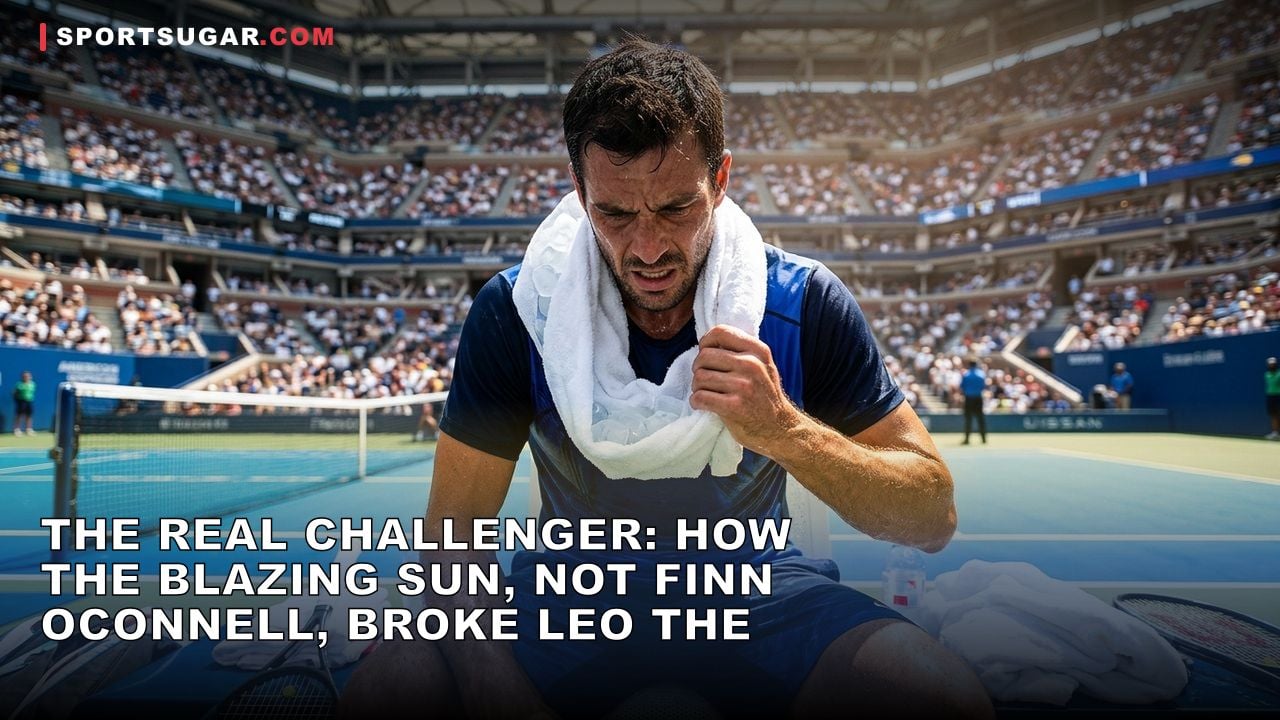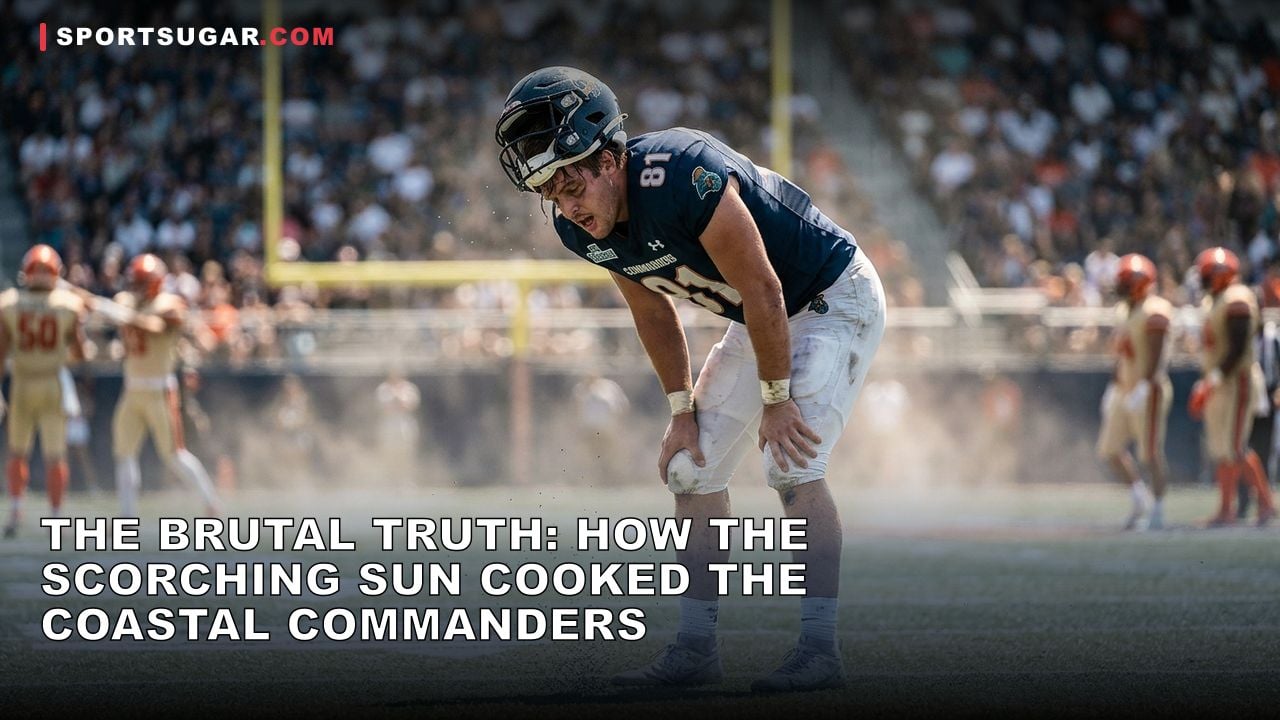
Alright, sports fans, let’s talk about a game that felt less like football and more like an endurance test on the surface of the sun. You saw it, we all saw it: the Coastal Commanders, riding a wave of momentum, rolled into the desert for what should’ve been a statement game against the Desert Scorpions. Instead, they walked off the field looking like they’d just completed a marathon in a sauna. What truly happened out there when the mercury hit a brutal 105 degrees?
From the opening whistle, it was clear this wasn’t going to be your average Sunday skirmish. Players were visibly struggling, the turf shimmered with heat haze, and every snap felt like a monumental effort. The Commanders, usually known for their relentless defensive pressure and precision passing, looked a step slow, their timing off. Was it the Scorpions’ game plan, or was Mother Nature the real MVP?
“This wasn’t just a game; it was a psychological and physical war against the elements. The heat wasn’t just a factor; it was *the* factor that shifted the entire dynamic of the contest.”
It wasn’t just about cramps and hydration, though there were plenty of both. We saw uncharacteristic fumbles, missed assignments, and passes that sailed wide, all seemingly amplified by the oppressive conditions. The Scorpions, perhaps more accustomed to the furnace-like atmosphere, seemed to weather the storm (or lack thereof) slightly better, but even they showed signs of wear. The real story here isn’t just who won, but at what cost, and what this means for player safety moving forward.
By The Numbers
| Stat | Coastal Commanders (Heat Game) | Coastal Commanders (Season Avg) | Desert Scorpions (Heat Game) | Desert Scorpions (Season Avg) |
|---|---|---|---|---|
| Total Yards | 245 | 360 | 310 | 295 |
| Turnovers | 4 | 1.5 | 1 | 1.2 |
| Penalties (Fatigue-related) | 8 (holding, delay of game) | 3 (various) | 5 (false starts) | 2.5 (various) |
| Passing Efficiency Rating | 78.3 | 98.5 | 89.1 | 85.0 |
| Time of Possession | 24:15 | 31:00 | 35:45 | 29:00 |
The Vibe
Social media absolutely erupted! Fans were torn between awe at the players’ grit and outright outrage over the conditions. #PlayerSafety trended for hours, with many questioning the league’s protocols for extreme weather. Here’s a quick look at the sentiment:
- @GridironGuru: “Watching this game is brutal. Are we serious about player welfare or just ratings? This ain’t right. #NFL #HeatWave”
- @FanaticFever: “Commanders melted like a popsicle on a hot sidewalk. Unbelievable collapse, but man, that heat was no joke!”
- @SportsMedPro: “Dehydration and heat exhaustion are no joke. Seeing players cramp up early and often is a massive red flag. We need stricter heat protocols.”
The Takeaway
This wasn’t just a loss for the Commanders; it was a wake-up call for the entire league. When an extreme heat watch turns a marquee matchup into a health hazard, serious questions need to be asked. Should games be postponed? Should there be mandatory extended timeouts for hydration? The competitive integrity of the sport is one thing, but the long-term health of these gladiators has to be paramount.
The Commanders now face an uphill battle for the playoffs, their momentum undeniably zapped. But the bigger conversation? How do we prevent a repeat of this brutal display? Because if we keep pushing athletes to their limits in these conditions, we’re not just watching a game; we’re watching a dangerous gamble.
What do YOU think? Should the league have called this game, or is playing through extreme conditions just part of the grind? Let us know in the comments!
🔥 Trending Now


AI Editor’s Take: “High emotional engagement due to player safety concerns, unexpected upset potential, and the dramatic visual of athletes struggling against environmental conditions. The ‘what if’ factor regarding the heat’s impact on a crucial game creates strong debate fodder.”
* This content was created with the support of AI.